
Short answer
The real ones are an allergic reaction, worse dandruff on an already flaky scalp, bumps along the hairline, and light shedding in the first week. The first three mean stop and patch test. Week-one shedding is usually hair that was already loose. Serious reactions are rare but not impossible.
Ayurvedic hair oil side effects are real, but they are not the ones most people worry about. The oil will not block your follicles for good, and it will not make your hair fall out. What it can do, if used carelessly, is irritate a sensitive scalp, worsen oily dandruff, give you small bumps along the hairline, and leave forehead acne on people who sleep in it. Almost all of this comes down to how long it sits, how much is used, and whether you patch-tested first.
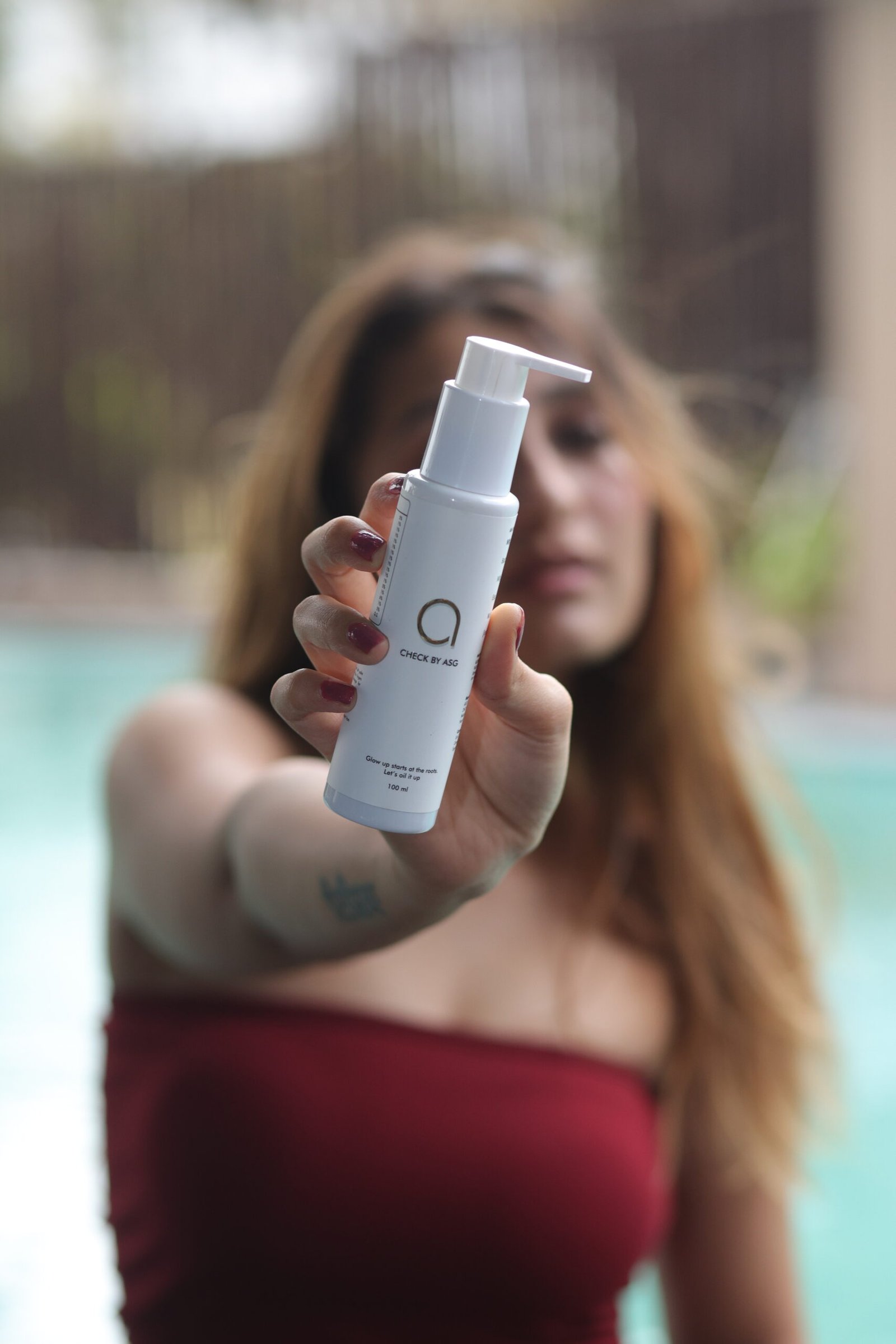
We sell a 17-herb oil, so we have an interest in this topic. We also have an interest in you using it well. A customer who gets folliculitis from leaving oil on for three days is not a customer we want.
For the wider picture, our guide to the most common hair fall reasons explains how to tell one cause from another.
Here is what is real, what is myth, and how to tell the difference on your own head.
Real: reactions, flakes and bumps
Allergic or irritant reactions
“Natural” is not the same as “safe for everyone”. Herbs are chemistry. Neem, henna, amla, citrus and several others contain compounds that a small number of people react to. The reaction is usually redness, itch, or a tight, warm feeling on the scalp within a few hours to two days of application. Occasionally it is small blisters or a rash at the hairline, behind the ears or on the neck where the oil has run.
The fix is a patch test before the first full use. A coin-sized amount on the inner forearm, left for 24 to 48 hours, uncovered. If nothing happens, apply a small amount to one patch of scalp behind the ear and wait another day. Only then do the whole head. We wrote the full method in how to patch-test a new hair oil, and we mean it when we say natural still needs it.
If a reaction does happen, wash the oil out with a mild shampoo, do not reapply, and see a doctor if it spreads or does not settle within two days. Keep the bottle so the doctor can see the ingredient list.
Dandruff getting worse
This is the most common complaint, and it is almost always a timing problem. The yeast responsible for oily dandruff lives on scalp oil. Leave an oil on an already greasy scalp overnight, several nights a week, and you have laid out a buffet.
The oil itself is not the villain. Neem and karanja in a herbal blend are traditionally used precisely for flakes and itch, and nimbu helps balance excess oil. But on an oily scalp the window matters. Thirty to forty-five minutes before a wash, two or three times a week, is enough. Overnight is for dry scalps.
If your flakes went from small and white to larger and yellow after you started oiling, shorten the time, wash properly, and the problem usually settles within a fortnight.
Bumps, folliculitis and forehead acne
Small red or white bumps along the hairline, at the nape, or across the forehead are a sign the oil has sat too long and the follicles have become clogged or mildly infected. It is more common in humid weather, in people who sweat at the gym with oil still in, and in people who sleep in oil for several nights without a cotton cloth or a wash in between.
Prevention is simple. Wash the oil out within the day unless your scalp is genuinely dry. Do not oil before a workout. Wipe the forehead and the neck after applying. And if you do get bumps, stop oiling until they are gone, wash with a mild shampoo, and avoid scratching. A doctor can give a short course of something if it persists.
Real but temporary: more hair on the comb in week one
Many people see a small rise in shed hairs in the first week or two of a new oiling routine and assume the oil is causing hair fall. It is not. Massage dislodges hairs that were already in the resting phase and would have fallen within days anyway. The count settles by week three and, for most people, drops below the starting point by week six to eight.
We wrote about the five real ways oil can contribute to hair fall, and this is not one of them, in can hair oil cause hair fall. The genuine causes are tight hairstyles over oiled hair, rough combing through oil, and over-washing to get too much oil out.
The 60-day rule. One 100ml bottle lasts about four weeks. Most people see the difference at week eight. Side effects, when they happen, show up in week one, which is why we ask you to patch-test and start slowly. That is why we sell it as a pair: 2 × 100ml for ₹1,999. Two bottles is one full cycle.
Real but minor: the small stuff
A few things people ask about that are true, and manageable.
Heaviness. Too much oil, or oil on the lengths of fine hair, leaves it flat and greasy. Two pumps for short hair, three for medium, scalp first. If it is dripping, it is too much.
Stained pillows and collars. Oil marks cotton. A cotton cloth over the pillow, an old T-shirt, and a wash the next morning solve it.
Eye irritation. Herbal oils sting if they run into the eyes. Apply with the head tilted slightly back, and wipe the hairline.
A tint on very light hair. Our blend includes neeli indigo at 5 per cent and heena. On black and dark brown hair these deepen the colour, which is the point. On bleached, grey or very light hair, a faint warm or ashy tint is possible over many weeks. If your hair is pale and you want it to stay that way, test on a hidden section first.
Smell. A cold-infused herbal oil smells of herbs, because there is no synthetic fragrance covering them. Most people get used to it in a week. If you are sensitive to strong smells, keep the sessions to pre-wash.
Myth: the things that are not true
Oil blocks follicles for good. Oil sits on the surface and in the top of the follicle, and it washes out. A proper wash removes it. “Clogged pores” from oil are temporary and resolve with cleansing.
Oil makes hair fall out. See above. Shedding that appears in week one was already scheduled. If shedding is still rising at week four, the cause is elsewhere, and a blood test for thyroid, ferritin and vitamin D is the next step.
Natural means no side effects. Every herb is a mix of active compounds. Most people tolerate them well. Some do not. That is why patch testing exists and why our oil is dermatologically tested, which means it was assessed on human skin for irritation under supervision. It does not mean nobody will ever react. We explain what that phrase does and does not mean in dermatologically tested, explained.
Shedding is “detox”. No. There is no mechanism by which hair oil pulls toxins out through the scalp, and shedding is not a sign of anything leaving the body. If anyone tells you more hair fall means the oil is working, change the oil.
More oil, more often, is better. The scalp has a limit. Beyond two or three sessions a week, extra oil only means extra washing, and extra washing dries the scalp out.
The herbs, and why we chose a gentle blend
Our 17-Herb Hair Oil is cold-infused, handmade in small batches, and contains no mineral oil, silicones or synthetic fragrance. We left those out partly for the hair and partly because fragrance is the most common cause of scalp irritation in hair products.
The herbs are chosen to balance each other. Jatamansi at 5 per cent calms a stressed scalp. Aloe vera brings hydration. Karanja is traditionally used to protect the scalp from irritation. Neem and nimbu keep the oily type of dandruff in check. Olive keeps the texture light enough to wash out in one go. Bhringraj and amla at 5 per cent each, neeli indigo, brahmi, kalonji, manjistha, onion, reetha, shikakai, heena and castor round it out. We list all 17 herbs and their percentages so you can check the list against anything you know you react to.
The oil is for men and women, and for colour-treated hair. Still, patch-test it. We would rather you spent a day being careful than a week being sore.
Frequently asked questions
Can ayurvedic hair oil cause hair fall?
A small rise in shed hairs in the first week or two is normal and comes from massage dislodging hairs that were already resting. Oil itself does not cause hair fall. Tight hairstyles over oiled hair, rough combing, and over-washing can. If shedding is still rising at week four, see a doctor.
Can herbal hair oil cause an allergic reaction?
Yes, in a small number of people. Neem, henna, citrus and other herbs can trigger redness, itch or a rash. A 24 to 48 hour patch test on the inner forearm catches most reactions before they reach your scalp.
Does hair oil cause dandruff?
It can make the oily type worse if left on too long. Keep the oil on for 30 to 45 minutes before a wash if your scalp is greasy, and limit sessions to two or three a week. Dry-scalp flakes usually improve with oiling.
Can hair oil cause pimples on the forehead?
Yes, if it runs onto the skin and sits overnight. Wipe the hairline after applying, use a cotton cloth over the pillow, and wash within the day if you are acne-prone.
Will indigo or henna in hair oil change my hair colour?
On black or dark brown hair, they help keep the colour deep. On bleached, grey or very light hair, a faint tint is possible over several weeks. Test on a hidden section if your hair is pale.
Is it safe to use ayurvedic hair oil every day?
It is not harmful, but it is unnecessary and usually counterproductive. Two or three sessions a week with a wash after each is the routine most scalps do well on. Daily oiling means daily washing, which dries the scalp.
Most side effects of a herbal oil come down to three habits: not patch-testing, leaving it on too long, and using too much. Fix those and the oil is one of the gentler things you can do for a scalp. If you want to start with a blend built to be gentle, the two-bottle pack covers the full eight weeks.
All 17 herbs, in one bottle
Bhringraj, amla, brahmi and 14 more cold-infused herbs — our 17-Herb Ayurvedic Hair Oil is made for hair fall, thinning and slow growth.