
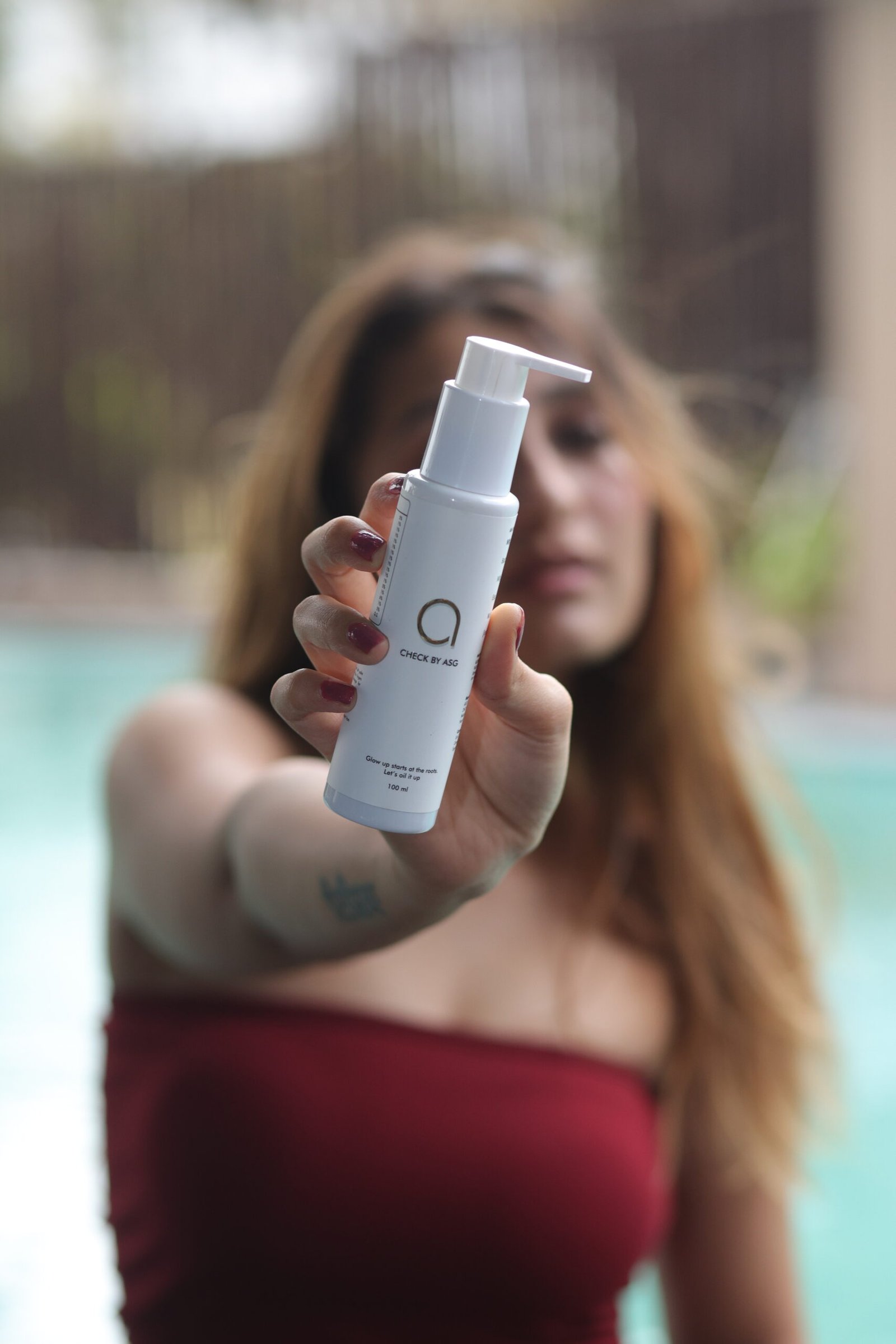
Seasonal hair fall is real, and in India it has two peaks. The first is the monsoon, when humidity, sweat and a scalp that never quite dries push shedding and breakage up together. The second is early winter, when dry air, hot showers and room heaters leave the scalp tight and flaky and the hair brittle. If your comb fills up every July and again every December, you are not imagining it.
The good news is that seasonal shedding is usually temporary. Hair follicles cycle, and a larger share of them rest and release at certain times of year. The less good news is that the habits people adopt in each season, overnight oiling in the monsoon, scalding showers in winter, make a normal spike worse. The fix is mostly timing.
For the wider picture, our guide to the most common hair fall reasons explains how to tell one cause from another.
This post explains why each season does what it does, how to tell shedding from breakage, and the oiling routine we would use in each, down to how long to leave it on.
Why hair fall follows the calendar
Every hair on your head is in one of three phases: growing, resting, or shedding. At any time roughly a tenth of your hair is resting, and those are the strands that come out in the comb a few weeks later. Research on seasonality is limited but fairly consistent. A Swiss study that followed a group of women for several years found that the share of resting hairs peaked in late summer, with shedding highest in the months that followed.
Two things are happening at once. The hair cycle itself has a seasonal rhythm, possibly linked to daylight and temperature, which you cannot change. And the scalp environment changes with the weather, which you can. The second one is where oiling comes in.
There is also a three-month lag to keep in mind. A follicle that is pushed into rest by a stressful event, a fever in May, a bad month at work, releases its hair in August. So part of what looks like monsoon hair fall is actually a delayed reaction to summer. We wrote about that delay in our post on hair fall after fever, typhoid or COVID.
Monsoon: what the humidity does
From June to September in Mumbai, Kerala, Bengal and most of the country, the air is saturated. Sweat does not evaporate from the scalp. Sebum builds up faster. The yeast that lives on every scalp, Malassezia, feeds on that sebum and multiplies, which is why dandruff and itch spike in the monsoon even for people who never have it otherwise.
Hair that is washed and tied up damp stays damp for hours, and a scalp that is wet for a long time softens, itches and sheds. And humidity makes the hair shaft swell and contract, which lifts the cuticle and leads to frizz and breakage along the lengths.
The common mistake is to respond to dull, frizzy monsoon hair with heavy overnight oiling. On an oily, humid scalp that is feeding the yeast. The oil is still useful in the monsoon, but the method has to change, and we explain how below.
Winter: what the dry air does
From November to February in Delhi, Punjab, Rajasthan and the north, the air dries out, and indoor heaters and blowers dry it further. The scalp loses water, the way the skin on your shins does, and it responds by flaking and feeling tight. People then take hotter showers, which strip the little oil the scalp has left. Wool caps and scarves rub the hair at the crown and the nape.
Most winter hair fall is breakage, not shedding. The strand is dry, the cuticle is rough, and it snaps on the comb or the pillow. That is a different problem from the follicle letting go, and it responds much faster to oiling, often within two or three weeks.
Shedding or breakage: the comb test
Comb dry hair over a dark towel or a sheet of white paper, and look at twenty strands.
A shed hair is full length and has a small white or translucent bulb at one end. That hair finished its cycle and left from the root. A broken hair is shorter than your hair length, has no bulb, and often has a frayed or split end. That hair snapped partway down.
Mostly bulbs means shedding. In the monsoon this is usually seasonal and settles in six to ten weeks. Mostly short, bulb-less pieces means breakage, which is a strand problem and a winter classic. A mix is normal. If you are seeing well over a hundred bulbed strands a day for more than two or three months, or hair is thinning in a pattern or in patches, that is not seasonal, and a dermatologist should look.
The 60-day rule. One 100ml bottle lasts about four weeks. Most people see the difference at week eight. That is why we sell it as a pair: 2 × 100ml for ₹1,999. Two bottles is one full cycle. A seasonal spike lasts roughly that long, which is why one bottle alone never seems to prove anything.
How to oil through each season
Monsoon routine
- Oil two or three times a week, but keep it short: 30 to 45 minutes, not overnight. The scalp is already oily and damp; the herbs are what you are after, not the moisture.
- Massage the scalp for two to three minutes to lift sweat salts and buildup, then wash thoroughly. Reetha in the blend helps it rinse in one go.
- Wash more often than you would in winter, every second or third day if your scalp is oily, with a mild shampoo.
- Dry your hair fully before tying it up. A cotton towel and ten minutes of air beat a tight bun on a wet scalp every time.
The herbs doing the work in the monsoon are neem for itch and flakes, karanja for buildup, nimbu to balance excess oil, and reetha for a clean rinse. If dandruff has taken hold, our four-week neem and karanja routine is built for exactly this.
Winter routine
- Oil two or three times a week and leave it overnight. The scalp needs the moisture, and the long sit lets the lighter oils settle in. Our post on overnight hair oiling and who should skip it covers the practicalities.
- Warm the oil in your palms, not on a stove. A steel katori of oil on a Sunday evening is a lovely ritual, but heat changes the delicate compounds in a cold-infused oil. Your hands are warm enough.
- Work it down the lengths and the ends, where winter breakage happens. Castor and olive seal them.
- Wash with lukewarm water, once, with a mild shampoo. Hot water is the single biggest winter mistake.
- Put a cotton or silk layer between your hair and a wool cap.
The herbs doing the work in winter are aloe vera for hydration, olive and castor to lock it in, shikakai and heena to soften and smooth the strand, and jatamansi to calm a tight scalp.
The year at a glance
| Season | What the scalp faces | Oil how | Watch for |
|---|---|---|---|
| Summer (Mar–Jun) | Sweat, sun, chlorine, dust | Short sits, 30 min; wash after sweating | Shedding three months later |
| Monsoon (Jun–Sep) | Humidity, yeast, damp scalp | Short sits; wash more often; dry fully | Dandruff, itch, frizz |
| Post-monsoon (Oct–Nov) | Shedding peak from summer | Regular routine; do not panic | Bulbed strands in the comb |
| Winter (Nov–Feb) | Dry air, heaters, hot water | Overnight; lukewarm washes | Breakage, flakes, static |
The herbs, and when it is not the season
One bottle covers both seasons because the blend has both layers in it. The cleansing herbs, neem, karanja, reetha and nimbu, carry the monsoon. The conditioning herbs, aloe vera at 2%, olive, castor, shikakai and heena, carry the winter. Underneath both, all year, sit the root herbs, bhringraj, amla and jatamansi at 5% each, and manjistha, which are about growth rather than weather. We list all 17 herbs and their percentages on the ingredients page.
Seasonal hair fall has a shape: it rises, it plateaus, and it settles within two or three months as the next season arrives. If yours does not settle, if it is in patches, if the parting is widening, or if it comes with tiredness, weight change or irregular periods, it is not the weather. Thyroid, iron deficiency, PCOS and stress shedding all get blamed on the season first. Oiling is supportive in every one of those cases, and in none of them is it the answer. A blood test is.
Apoorva’s grandfather oiled her hair on winter evenings in a small town and told her to keep it short in the rains. He did not have the word Malassezia. He had the calendar. The story of how that habit became Check by ASG is, in a way, a story about seasons.
Frequently asked questions
Is it normal to lose more hair in the monsoon?
Yes. Humidity, sweat and a damp scalp raise both shedding and breakage, and some of what you see is delayed shedding from the summer. It usually settles within six to ten weeks. If it continues past three months or comes in patches, see a dermatologist.
Should I oil overnight in the monsoon?
Not if your scalp is oily or flaky. Keep monsoon oiling to 30 to 45 minutes and wash thoroughly. Overnight oiling suits the dry winter scalp much better.
Why does my hair break more in winter?
Dry air, hot showers and wool pull moisture out of the strand and roughen the cuticle, so it snaps on the comb and pillow. Overnight oiling, lukewarm washes and a cotton layer under caps reduce it, usually within a few weeks.
How do I tell seasonal hair fall from something serious?
Seasonal fall settles in two to three months and is spread evenly across the scalp. Patches, a widening parting, a receding hairline, or fall that continues past a season need a doctor and a blood test for thyroid, ferritin and vitamin D.
Can I use the same oil in summer, monsoon and winter?
Yes, if the blend has both cleansing and conditioning herbs, which ours does. What changes is how long you leave it on and how often you wash, not the bottle.
The weather will keep changing, and your scalp will keep responding. The routine that works is the one that changes with it: short and clean in the rains, long and warm in the cold, and steady through both. If you want a bottle for each half of that, two bottles for ₹1,999 covers one full eight-week cycle.
All 17 herbs, in one bottle
Bhringraj, amla, brahmi and 14 more cold-infused herbs — our 17-Herb Ayurvedic Hair Oil is made for hair fall, thinning and slow growth.