
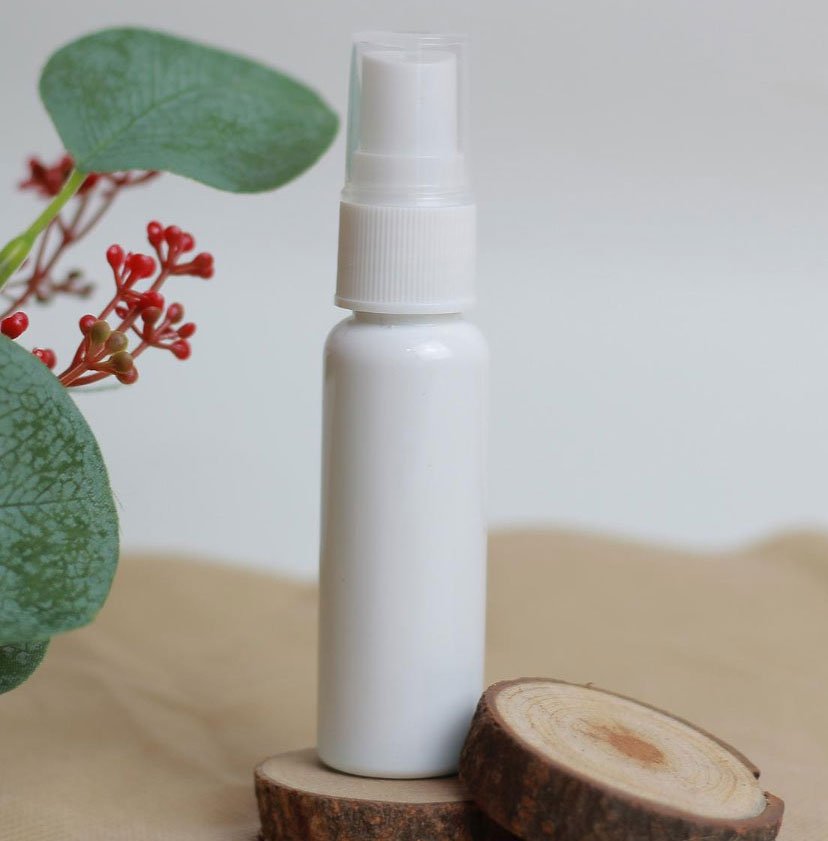
The best Ayurvedic hair oil for hair fall is not a brand name. It is a set of things you can check on the label and the bottle before you pay: a full ingredient list with percentages, a cold process rather than a boiled one, herbs with a real record for the scalp, nothing synthetic in the base, a pump that keeps you consistent, and a price per ml you can sustain for eight weeks. Get those six right and most of the decision is made.
We should say upfront that we sell one. Check by ASG makes a 17-herb oil and we would like you to buy it. But we are not going to rank ourselves above other brands, partly because that would be silly and partly because a ranking is not the useful thing. A checklist you can hold any bottle up against, including ours, is.
So this is a buying guide, not a leaderboard. It should save you from buying the wrong oil twice.
What an oil can and cannot do for hair fall
Start here, because the wrong expectation ruins the right product. If your hair is falling because the scalp is inflamed, flaky, dry, tight, or coated in buildup, a good herbal oil with a proper massage can help a great deal. Many people notice less shedding on the comb within six to eight weeks.
If your hair is falling because of low iron, a thyroid problem, PCOS, a fever three months ago, or a hereditary pattern, oil is support, not the fix. It keeps the scalp healthy while the real cause is sorted out. We wrote about the most common causes in our post on why hair falls in your 20s and 30s.
When to see a doctor before buying another bottle
Buy the oil, by all means. But book the appointment too if shedding has lasted more than three months, hair is coming out in clumps rather than strands, there are round bald patches, or hair fall comes with tiredness, weight change, irregular periods or feeling cold all the time. Those point to iron, thyroid, hormones or a post-illness shed. A blood test will tell you more in a week than an oil will in a year.
1. Ingredient transparency: names, percentages, base
Turn the bottle around. A trustworthy oil tells you three things: every herb in it, roughly how much of each, and what the base oil is. If you see “proprietary herbal blend” or twenty botanicals with no quantities, you cannot know whether the bhringraj on the front is 5% of the bottle or a pinch for the label.
Percentages matter because herbs work at dose. An oil that is 90% base and 10% everything else is a different product from one where the named herbs are present in meaningful amounts. Brands that publish percentages are making themselves accountable, and that is a good sign on its own.
What should not be in it
- Mineral oil (also listed as paraffinum liquidum). A petroleum derivative that coats scalp and hair and seals both. It feels like conditioning and is not.
- Silicones (anything ending in -cone or -siloxane). Instant slip and shine that builds up over weeks, so hair looks good on day one and dull by week four. In a scalp oil they make no sense.
- Synthetic fragrance (“parfum” or “fragrance”). The most common cause of scalp irritation from a product, and an irritated scalp sheds more. A real herbal oil smells like herbs. That is not always pleasant. It is honest.
We use none of the three. If a product passes this check, it is already ahead of most of what is on the shelf.
2. Extraction method: cold-infused or heat-boiled
Traditional Ayurvedic oils were often made by boiling herbs in a base oil for hours. It is a legitimate method with a long history. But heat changes things. Some of the more delicate plant compounds break down, the oil darkens, and the smell shifts from green to smoky.
Cold infusion steeps the herbs without heat, over days or weeks instead of hours. It is slower and costs more, which is why fewer brands do it. The trade-off is that more of what was in the plant ends up in the oil. We go into the chemistry in our post on cold-infused versus heat-extracted hair oil.
Neither method is magic. But if a label says nothing about how the oil was made, that silence is itself information. Brands that take the slow route tend to say so.
3. Pump or cap
This sounds trivial. It is not. The biggest reason hair oil “does not work” is that people stop using it around week three, and the bottle has more to do with that than anyone admits.
A cap bottle means tilting, pouring too much, oil down the side, a slippery grip, and a ring on the bathroom shelf. After a few of those evenings you start skipping. A pump gives you the same measured amount every time, keeps the oil cleaner because you are not dipping fingers into the neck, and turns a Sunday evening application into a thirty-second decision rather than a small project.
We chose a pump for our 100ml bottle for exactly this reason. Two or three pumps is a dose. Not having to think about it is what gets you to week eight.
4. Price per ml, and price per cycle
Hair oil in India runs from under ₹1 per ml to well over ₹10 per ml. The price tag is less useful than two other numbers: cost per ml, and cost for one full eight-week cycle. Here is the arithmetic for our own oil, so you can run the same sums on anything else.
| Pack | Price | Volume | Price per ml | Covers |
|---|---|---|---|---|
| Single bottle | ₹999 | 100ml | About ₹10 per ml | Roughly 4 weeks at 2–3 applications a week |
| Buy one get one free | ₹999 (MRP ₹2,300) | 200ml | About ₹5 per ml | Roughly 8 weeks, one full results cycle |
The point is not that ₹5 per ml is cheap. It is that a cycle is the unit that matters. If an oil costs ₹300 for 200ml and you need three bottles before you see anything, compare that total with a two-bottle cycle of a denser oil. And weigh what is in it. A high herb concentration in a small bottle can work out better per application than a dilute oil in a large one.
One more thing: a batch date. Herbs oxidise. A bottle made this month is a different product from one that has sat in a warehouse for eighteen months.
The 60-day rule. One 100ml bottle lasts about four weeks. Most people see the difference at week eight, which is why a single bottle of any hair-fall oil is usually the wrong purchase. That is why we sell it as a pair: 2 × 100ml for ₹999, buy one get one free. Two bottles is one full cycle.
5. The herbs that actually matter for hair fall
Ayurveda has a long list of hair herbs, and a label can name any of them. For hair fall specifically, these have the most consistent tradition and the most interesting early research. We list all 17 herbs and their percentages in our oil on our ingredients page; these are the ones we would look for in any blend.
- Bhringraj: the most-cited Ayurvedic hair herb, traditionally used for density, growth and the scalp in general. We use it at 5%.
- Amla: vitamin C at the root, traditionally used to strengthen hair at the follicle and add shine. Also 5% in our blend.
- Onion: for its sulphur, which supports the keratin hair is made of. Many people find it helps thickness over a couple of months.
- Brahmi: follicle support and less breakage, especially where stress is part of the picture.
- Jatamansi: a Himalayan root that calms a stressed scalp. Rare in commercial oils because it is expensive. We use it at 5%.
- Kalonji (black seed): antioxidants, and a long tradition for regrowth, though human research is thin.
- Manjistha: traditionally used for scalp circulation, which is also what massage does.
Supporting herbs like neem, karanja and reetha keep the scalp clean so the growth herbs have somewhere to work. A single-herb oil is not wrong, but hair fall is rarely one problem, and a blend that covers scalp, follicle and strand together tends to help more people.
6. A realistic timeline, and the promises to ignore
Any oil that promises visible regrowth in two weeks is promising something hair biology does not allow. Hair grows about a centimetre a month, and a follicle that has shed takes months to produce a replacement you can see. Honest progress looks like this.
| Period | What many people notice | What is not happening yet |
|---|---|---|
| Week 1–2 | Scalp calmer, less itch, hair softer after wash | No change in shedding |
| Week 3–4 | Fewer strands on the comb and pillow, less dryness | No new growth |
| Week 5–8 | Shedding noticeably reduced, roots feel fuller, parting looks less wide | Baby hairs may begin, may not |
| Week 9–12 | Fine new growth at the temples for some, better texture overall | Not a full recovery of density |
If a brand cannot give you a timeline like this, it either does not know its product or does not want to tell you. We go week by week in our post on how long hair oil takes to show results.
Red flags on a label or a listing
- Any promise that results are certain. No oil can make that promise, and India’s advertising rules say so too.
- Before-and-after photographs with no dates and no consistent lighting.
- Claims of proof from a clinical study with no study named or linked.
- No advice to patch-test. A brand that knows its product is plant-based knows some people react to plants.
- No batch number or manufacturing date on a product sold as handmade.
- A herb list that differs between the website and the bottle.
Our founder Apoorva started this brand in a Delhi kitchen, and the first rule she set was that she would not sell anything she would not use on her own head. That rule is why we publish percentages and why we would rather say “many people notice” than “proven”. You can read how it started on our story page.
Frequently asked questions
Which Ayurvedic herb is best for hair fall?
Bhringraj has the strongest tradition and the most attention in research, with amla close behind. But hair fall is rarely one problem, so a blend that also covers the scalp (neem, karanja, jatamansi) and the strand (shikakai, castor) tends to help more people than a single-herb oil.
Is cold-infused hair oil really better than boiled oil?
It keeps more of the heat-sensitive compounds intact and tends to smell cleaner. Boiled oils are not bad, and many traditional formulations use heat. If you have the choice, cold-infused is the gentler process, but the herbs and their quantities matter more than the method alone.
How much should I expect to pay for a good Ayurvedic hair oil?
Anywhere from ₹2 to ₹10 per ml for a herb-dense, small-batch oil without mineral oil or silicones. What matters more than the sticker price is what one eight-week cycle costs you, and whether the herb concentration justifies it. Very cheap oils are often mostly base.
How long does it take for Ayurvedic hair oil to reduce hair fall?
Most people notice less shedding on the comb at four to six weeks, with a clearer difference around week eight. New growth, if it comes, is a 10–12 week story. Anything faster is the scalp feeling better, which is real but is not regrowth.
Can I use the same hair oil if my hair is coloured?
Yes, if the oil has no mineral oil, silicones or synthetic fragrance, which are the things most likely to interfere with colour or irritate a freshly dyed scalp. Our oil is suitable for colour-treated hair. Wash with lukewarm water rather than hot to protect the colour.
Does a pump bottle really make a difference?
For consistency, yes. A pump gives a measured dose, keeps the oil cleaner, and removes the small frictions that make people skip applications. Since results depend on using the oil two or three times a week for two months, anything that makes that easier is worth having.
The best Ayurvedic hair oil for hair fall, then, is the one that tells you exactly what is in it and how much, is made without heat or shortcuts, contains the herbs that have earned their place, comes in a bottle you will actually use, and costs an amount you can sustain for eight weeks. Hold any oil up against that list. If ours passes it for you, the two-bottle pack is one full cycle for ₹999, and that is the only way we think it makes sense to buy.