
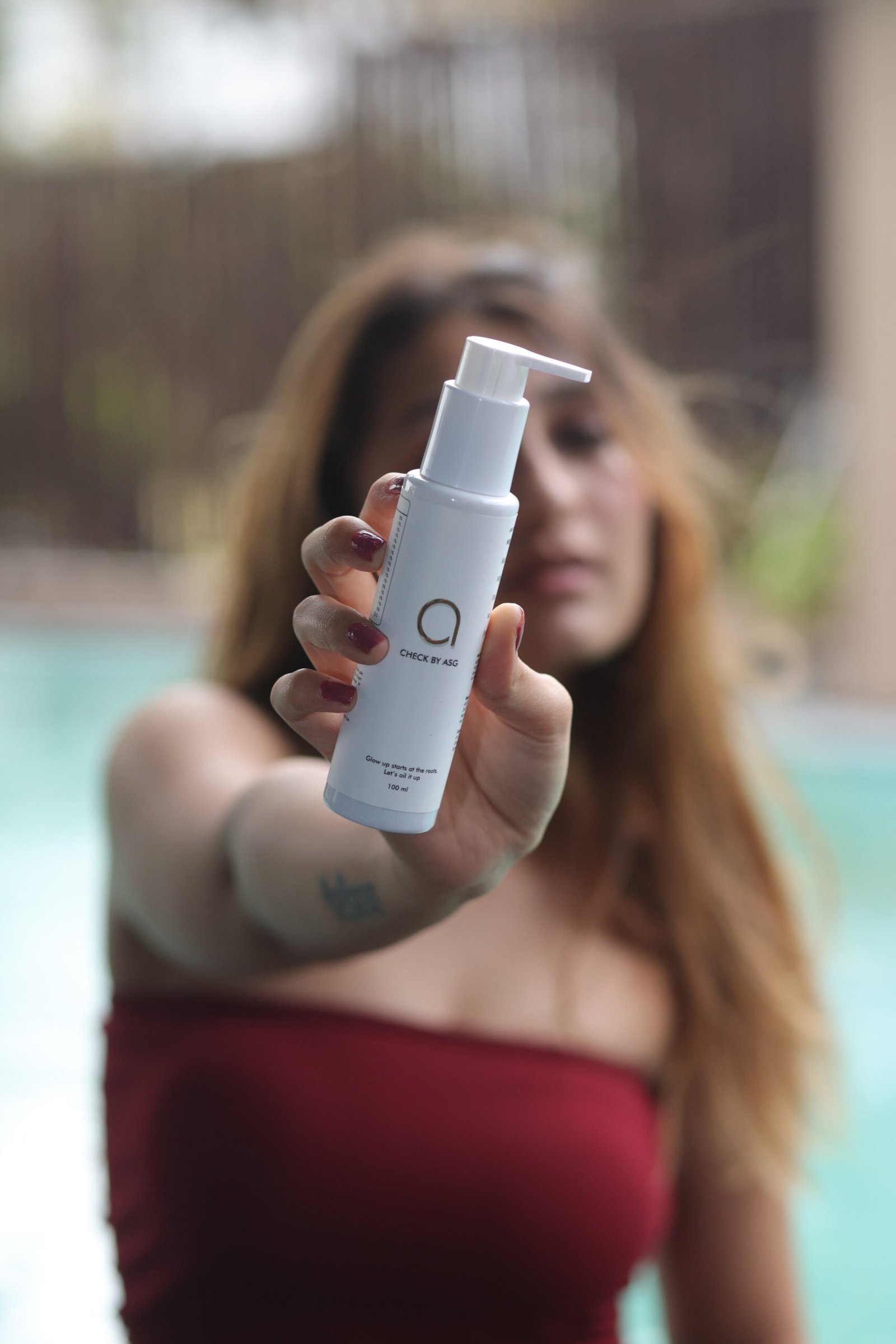
The most common hair fall reasons in your 20s and 30s are not mysterious. In roughly the order dermatologists in India see them: stress-related shedding, low iron, thyroid imbalance, PCOS, crash diets and low protein, shedding after illness, hard water and pollution, damage from heat and tight hairstyles, and genetic pattern thinning. Most people have two of these at once.
The useful part is that each one leaves a slightly different trail. Sudden or gradual, patchy or all over, strands with a white bulb or strands snapped halfway. Read those signs correctly and you know whether you need a blood test, a change of habit, or just patience.
We make a hair oil, so we will say upfront where oiling fits: it supports the scalp in nearly all of these situations, and it fixes the root cause in none of the medical ones. With that said, here are the nine.
How much hair fall is normal
A healthy scalp sheds 50 to 100 strands a day. Wash days look worse because several days of loose hair come out together. The drain after a Sunday head bath is not a reliable measure.
A better one is the comb test. Comb dry hair over a white towel before you oil, count what lands, and repeat on the same day each week. Under 20 or 30 strands is ordinary. Fifty or more, week after week, is worth attention.
Two distinctions matter more than the count: sudden or gradual, and everywhere or in one place (the parting, the temples, the crown, a round patch). Keep those two answers in mind as you read.
The 9 hair fall reasons we see most
1. Stress shedding (telogen effluvium)
A hair follicle has a growth phase that lasts years and a resting phase that lasts a few months. A big shock, such as an exam season, a breakup, a job loss or a death in the family, pushes an unusual number of follicles into rest at once. Those hairs fall together about three months later, which is why the shedding often arrives after the stress has ended.
It is diffuse, and the fallen strands have a small white bulb at the root. It usually resolves within six months once the trigger has passed. Oiling helps mostly by keeping the scalp calm.
2. Low iron (ferritin)
This is the one we would check first in any Indian woman in her 20s or 30s, and in vegetarian men too. Ferritin is the stored form of iron, and hair follicles are among the first tissues to go short when stores run low. Heavy periods, a mostly vegetarian diet and tea with every meal make this very common.
The hair fall is gradual and diffuse. A ferritin test costs a few hundred rupees. If it is low, correcting it is the fix, and the hair usually follows over several months. Oil will not raise ferritin.
3. Thyroid imbalance
Both an underactive and an overactive thyroid cause hair fall, often along with dry skin, weight change, fatigue or feeling cold. A TSH test is simple and cheap. If this is your cause, oiling is supportive at best; the thyroid needs a doctor.
4. PCOS and hormonal thinning
Polycystic ovary syndrome raises androgen levels, and androgens shrink hair follicles on the scalp while encouraging hair on the face and body. The pattern is a slowly widening parting and thinning at the crown, usually with irregular periods, acne, or weight that is hard to shift. A gynaecologist or endocrinologist should be the first stop. A calm, clean scalp supports the hair you have, which is worth doing alongside, not instead.
5. Crash diets and too little protein
Hair is made of keratin, a protein. When the body is short of protein or calories, it stops spending them on hair. We see this after aggressive weight-loss plans and in vegetarian diets built around rice, roti and sabzi with very little dal, paneer, curd, eggs or soya. The shedding starts two to three months after the diet began. Fixing the plate fixes it, slowly.
The 60-day rule. Whatever the cause, a scalp routine only shows results on the follicle’s own timetable. One 100ml bottle lasts about four weeks. Most people see the difference at week eight. That is why we sell it as a pair: 2 × 100ml for ₹999, buy one get one free. Two bottles is one full cycle.
6. Shedding after fever, typhoid, dengue or COVID
Any illness with a high fever can trigger the same resting-phase shedding as stress, and viral infections seem to do it more than most. The timing is the giveaway: you were ill, you recovered, and six to twelve weeks later the hair started coming out in handfuls. Some medicines can do the same. It settles on its own, and a gentle oiling routine makes the wait more comfortable.
7. Hard water, pollution and scalp buildup
Borewell water in Bengaluru, Gurugram or Hyderabad leaves a mineral film on the scalp and the strand. Add Delhi’s winter air and old product, and follicles clog and itch. This rarely causes heavy shedding by itself, but it makes everything else worse and causes breakage that looks like hair fall. Herbs that clear buildup, such as neem, reetha and karanja, earn their place here.
8. Heat, tight hairstyles and chemical services
A tight bun or braid worn every day pulls on the follicles at the hairline, a problem called traction. Straightening, keratin smoothing, bleaching and frequent high-heat styling weaken the strand so it snaps along its length. The clue is the fallen hair: short pieces without a bulb mean breakage, not fall from the root. Loosen the style, cut the heat, and condition the length.
9. Genetic pattern thinning
Androgenetic thinning runs in families and can begin in the early 20s. In men it shows as a receding hairline and a thinning crown. In women it is a widening parting with the hairline mostly intact. It is gradual, not sudden, and it does not resolve on its own. A dermatologist can confirm it and discuss options. Oiling supports the scalp and keeps the remaining hair in better condition; we would not claim more than that.
Telling them apart at home
| What you notice | Most likely reason | First step |
|---|---|---|
| Sudden, all over, started 2 to 3 months after a stressful event or illness | Telogen effluvium (1, 6) | Wait it out with gentle care; test ferritin if it lasts past 6 months |
| Gradual, all over, tired, heavy periods or vegetarian diet | Low iron, low protein (2, 5) | Ferritin, haemoglobin, vitamin D, B12; look at the plate |
| Diffuse fall with dry skin, weight change, fatigue | Thyroid (3) | TSH test |
| Widening parting, irregular periods, acne | PCOS (4) | Gynaecologist |
| Itchy, flaky scalp, dull hair, recent move to a hard-water city | Buildup (7) | Clarify the scalp; consider a shower filter |
| Short broken pieces, thinning at the hairline where you tie it | Breakage, traction (8) | Loosen styles, reduce heat, condition ends |
| Slow, in a pattern, runs in the family | Pattern thinning (9) | Dermatologist |
Where oiling fits in all of this
A good hair oil does three honest jobs: it calms an irritated scalp, clears what is sitting on it, and conditions the strand so the hair you have breaks less. Those jobs matter in every one of the nine causes above, which is why we recommend the habit even when the cause is medical.
In our 17-Herb blend, bhringraj and amla do the work at the root, jatamansi is the herb we lean on for a stressed, hot scalp, neem and karanja handle buildup and itch, onion brings sulphur for strand strength, and manjistha is traditionally used for scalp circulation. We list all 17 herbs and their percentages on our ingredients page, so you can see exactly what is in the bottle and in what amount.
The habit is simple: a few warm pumps, two to three minutes of slow circles on the scalp, 30 minutes or overnight, then wash. Two or three times a week. If you are unsure how often is right for your scalp, we have a guide on how often to oil by hair and scalp type. And if you have tried oiling before and gave up at week four, our post on why hair oil seems not to work explains the timing mistake that trips most people up.
The blood tests worth asking for
If your hair fall has lasted more than three months, or came on fast, or comes with any of the other symptoms above, go to a diagnostic lab and ask for ferritin, haemoglobin, vitamin D, vitamin B12 and TSH. Take the results to a doctor rather than reading them yourself.
Apoorva, who started Check by ASG, puts it this way: before waiting for someone else to check on you, learn to check on yourself. She means the Sunday evening oiling ritual her father and grandfather kept for her, but she also means the blood test. Her story is here if you want the longer version.
Frequently asked questions
How much hair fall is normal per day?
Somewhere between 50 and 100 strands a day is normal, and more on wash days because loose strands come out together. It is worth investigating when the number clearly climbs for more than a few weeks or the parting widens.
Which blood tests should I get for hair fall?
Ask for ferritin, haemoglobin, vitamin D, vitamin B12 and TSH as a starting set. In women with irregular periods or acne, a doctor may add hormone tests. They are inexpensive at any diagnostic lab in India and settle the question faster than guessing.
Can hair oil stop hair fall?
Oil supports the scalp: it calms irritation, clears buildup and conditions the strand so it breaks less. Many people notice fewer strands in the comb after a few weeks. It does not correct iron levels, thyroid function or hormones, so if one of those is the cause, oiling is supportive and the fix is medical.
Is hair fall in my 20s a sign of balding?
Not necessarily. Diffuse shedding from stress, diet or deficiency is far more common at this age than pattern thinning, and it is usually reversible. Pattern thinning is gradual and follows a pattern: hairline or crown in men, a widening parting in women. A dermatologist can tell the two apart in one visit.
Hair fall in your 20s and 30s usually has a findable reason, and most of the reasons are fixable. Count the strands, note the pattern, get the five tests, and keep the scalp calm while you work it out. If you want to start the scalp side of that today, the two-bottle pair at ₹999 covers the full eight weeks.